


October 28, 2026, 8:44 am | Read time: 4 minutes
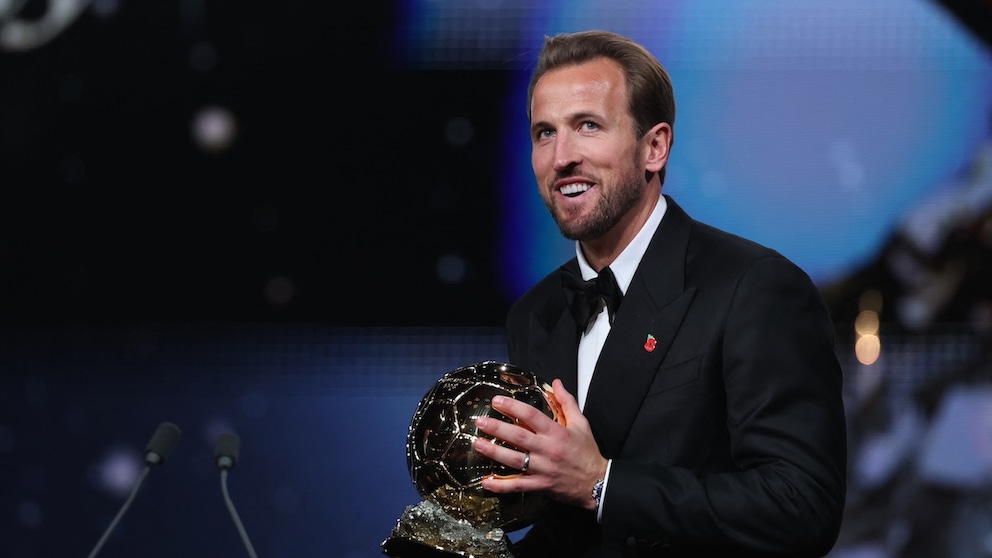
At 33, Harry Kane is at the peak of his career: The captain of the English national team, his country’s record goal scorer, and a forward for FC Bayern was awarded the Ballon d’Or in 2026. After many years without titles, his consistent work is paying off. Kane leaves nothing to chance. Besides soccer training, he focuses on targeted additional sessions, a tailored diet, and above all, consistent recovery. However, how he prepares his body for a long career has changed with age.
Extra Training as an Important Part of Kane’s Career
Early on, Kane was known as a player who invested more than others. Even as a youth, he often continued training alone after his teammates had finished their sessions. Later, during his time in the Premier League, he realized that technical skills alone were not enough for top-level soccer. The high pace of play and the intense running demands posed additional physical challenges.
Therefore, Kane worked specifically on becoming stronger and fitter. Even outside regular team training, he took every opportunity for additional sessions. This mindset has remained with the FC Bayern forward to this day. However, now in his 30s, he pays more attention to adjusting the volume and intensity of his workload to his body.
Harry Kane Has Learned to Assess His Limits
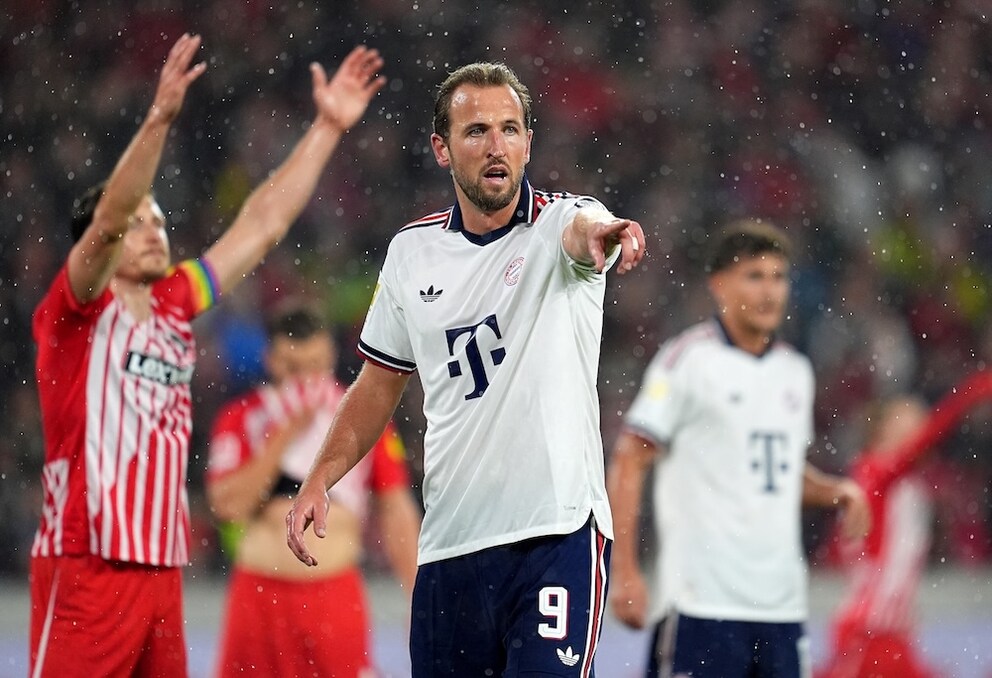
Kane says he feels exceptionally good physically. “Even though I’m in my 30s, I honestly feel as good as ever in my entire career,” Kane recently revealed in an interview with the British “Men’s Fitness.”
A key difference from the past: Kane can now better judge when additional exertion is beneficial and when he should give his body a break. “Maybe you don’t shoot 50 balls at the goal every day after training, but only 10 or 15.”
With increasing experience, recovery has become more central. For a long active career, recovery between training sessions and games is crucial for Kane. “Understanding your own body and knowing when to push and when not to is probably the most important thing I’ve learned, especially in the past five or six years.”

Liverpool FC Nutrition Expert: “Small Slip-Ups Are Part of It”

National Player Laura Freigang: “A Loss Doesn’t Define Who I Am”
Ensuring Enough Energy with Proper Nutrition
Nutrition is also a cornerstone of his successful soccer career. Kane is deeply involved in the development of nutrition in elite sports. For him, energy intake tailored to the specific demands is crucial. This includes knowing when the body needs a lot of energy, when fewer carbohydrates are appropriate, and when to increase the protein content of the diet.
In 2022, the soccer player revealed to “Englandfootball.com” that he always adjusts his diet to the specific demands of his training or game schedule. In everyday life, he focused on protein-rich foods like eggs, fish, or chicken, as well as plenty of vegetables. Before games, he specifically increased his carbohydrate and calorie intake to have enough energy. Consistent hydration was also part of his routine. However, Kane did not forgo enjoyment: After a good game, he occasionally treated himself to a “cheat meal” like pizza or sushi. The key for him was not strict abstinence, but a diet that supports performance and recovery while allowing for exceptions.
Sleep and Ice Baths for Recovery
“I rely heavily on ice baths and sleep. I think sleep is underrated,” Kane told “Men’s Fitness” about his recovery routines. His recovery program also includes infrared sauna, mobility training, and stretching, as well as electrical neurofunctional acupuncture. The latter is intended to specifically stimulate the nervous system to relax the muscles.
Kane considers the regular maintenance of these routines essential to being available to his team in the long term. “You need such habits if you want to have a long career in any sport,” emphasizes the Ballon d’Or winner, “for your team and your coach, one of the most important qualities is that you are reliably ready to play.”