


January 6, 2026, 10:03 am | Read time: 2 minutes
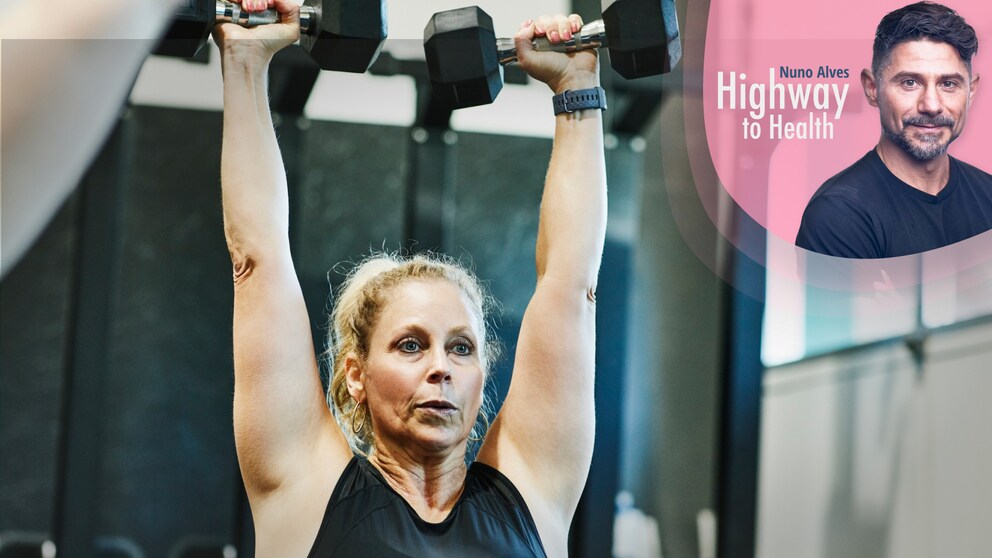
With the transition to menopause, women enter a phase of life where the body can noticeably lose bone and muscle mass. Training can offer effective protection. But which type of training is most effective during which phase of menopause? An analysis has explored this very question.
What was examined? A systematic review published in the journal “Bone” investigated how physical training affects bones and muscles in women during the transition to menopause (perimenopause) and in the first five years afterward (early postmenopause).1
The results of six studies involving a total of 256 women aged 45 to 60 were summarized. The analysis included strength training, endurance training, Tai Chi, and walking, and took place over periods ranging from eight weeks to twelve months.
In Early Postmenopause, Strength Training Appears to Have Particularly Strong Effects
Results: In perimenopause, none of the training programs showed a detectable effect on bone density or muscle mass. Exceptions: Tai Chi improved the amount of bone minerals in the trunk and spine, and a form of strength training with slow repetitions increased muscle strength.
In early postmenopause, strength training led to measurable improvements in the hip, lumbar spine, and femoral neck. Whole-body bone density also increased significantly, as did muscle strength. Walking slightly improved bone density in the hip area. In some strength training groups, muscle mass also increased.
Significance: Strength training with moderate to high intensity seems to be the most effective in counteracting the hormone-related loss of bone and muscle in early postmenopause. The authors call for further studies, especially for perimenopause and on combined or more intensive training forms.
However, it is important to know that the studies have limited significance due to small participant numbers and a lack of detailed information, and further research is necessary. Specifically, the finding that no significant effects were achieved in perimenopause must be critically examined. The reasons for this can be varied and may also be related to the training itself or nutrition.
Found an error? Please send feedback to: highway2health@fitbook.de.