

November 15, 2025, 7:35 am | Read time: 3 minutes
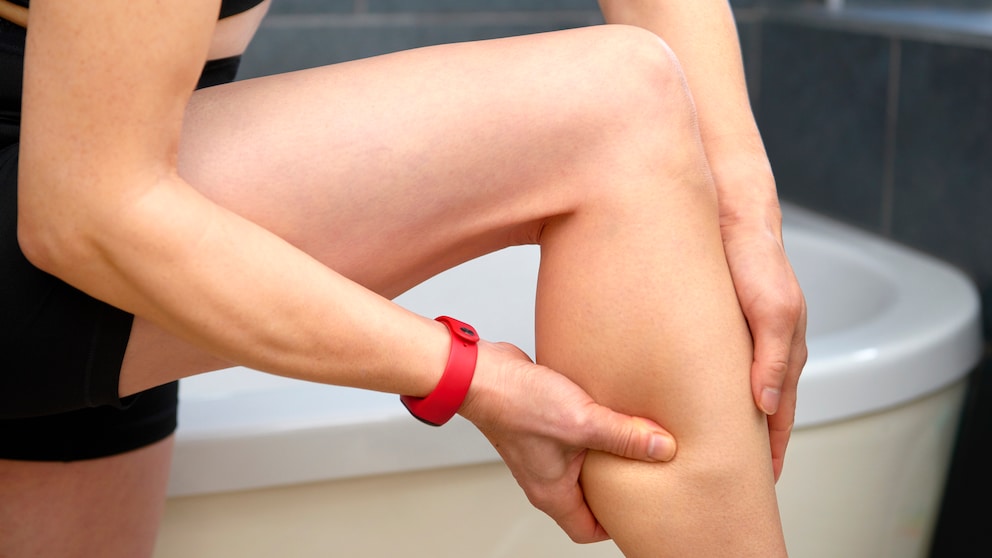
After exercising, you might feel a twinge in your thigh or tension in your back—a common experience for many. Muscle soreness is part of the process. But when are post-exercise pains a sign of training success, and when should you take a break or even see a doctor?
Why Muscles Ache After Exercise
Everyone knows the feeling of muscle soreness—usually harmless muscle pain. In fact, it’s a good sign: The muscle has been challenged, is responding, and begins to adapt and grow.
In the muscles, tiny micro-injuries, known as microtraumas, occur due to the unfamiliar strain. These small tears trigger a natural inflammatory response that initiates the healing process. This causes the typical pulling pain, which usually becomes noticeable 12 to 24 hours after training.
Muscle soreness is not a warning sign but an adaptation response of the body. It typically subsides on its own after 24 to 72 hours.
By the way, the German term “Kater” comes from the Greek word “Katarrh,” meaning “inflammation.”
When to See a Doctor!
Muscle soreness can sometimes last a bit longer. However, if the pain persists for more than five days, it could be a strain. If the discomfort hasn’t subsided after ten days, you should seek medical advice. If you have no clear explanation for the pain, that’s also a good time to visit a doctor. Pay special attention if swelling, warmth, or sharp pain occurs, as these can indicate a strain or another injury.
Apply the RICE Method!
Excessive strain can quickly lead to overstretching of muscles or ligaments. In such cases, the classic RICE method helps:
- Rest,
- Ice (cooling)
- Compression (pressure bandage)
- Elevation
This can help limit swelling and support the healing process.
Pain Gels—Yes, but Use Them Wisely
Pain gels can also be effective. But remember: Athletes should NOT use them preventively—only when they truly have pain, a muscle strain, or a sprain. For mild discomfort, it’s usually enough to reduce activity and monitor the body.
If you only have mild muscle soreness, it’s best to take a break and give your body time to recover.

Bursitis – Symptoms and Treatment

Why Toothaches Often Worsen at Night
If Possible: Avoid Painkillers
Athletes should never take painkillers before training or a competition, as this increases the risk of injury. Pain is also helpful because it protects the body from overexertion.
According to experts, stretching exercises have little effect. They neither help with pain nor prevent it. If you enjoy them, feel free to do them. But there is no evidence that stretching has a significant impact on the development of pain. Insoles and orthotics also offer little benefit, according to experts.
The Stretching Myth
Stretching is often considered a miracle cure, whether before or after training. But it’s not that simple: According to experts, stretching doesn’t help prevent injuries or speed up recovery. It’s mainly useful for maintaining or improving flexibility. If you’re in pain, it’s better to skip it and give your body a rest instead.
*With material from dpa