


August 27, 2026, 3:21 pm | Read time: 6 minutes
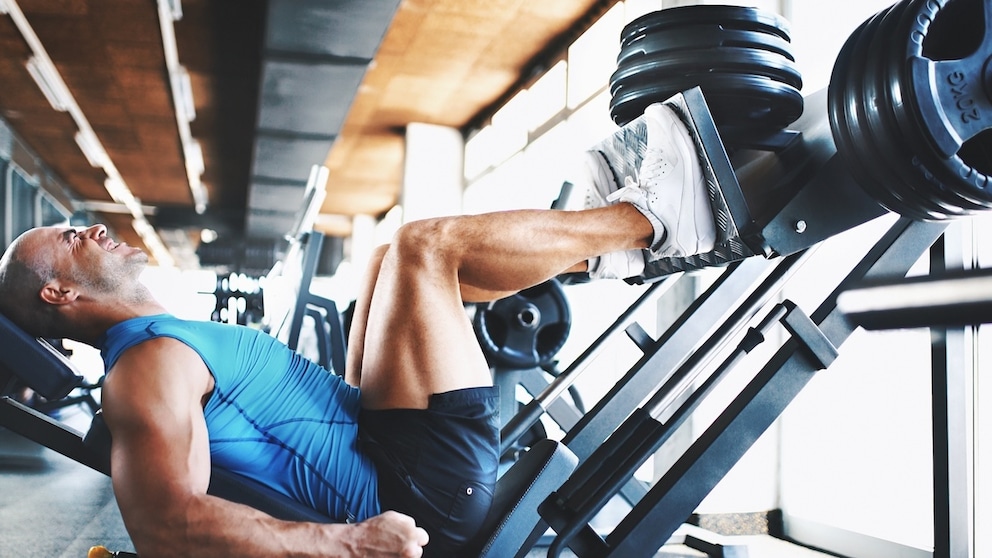
It is not only women who notice changes in their bodies around menopause. Men also experience changes in body composition, potential physical discomfort, and a loss of muscle strength. To counteract this process and maintain muscle and quality of life, trainer and FITBOOK expert Alina Bock presents the five most important strength exercises for men over 50.
Due to demographic changes, more than one in three working individuals is now over 50 years old. At the same time, muscle loss, especially after 50, progresses rapidly. While the demands of work and daily life remain unchanged, physical resilience decreases. Therefore, intensive strength training is essential to maintain resilience.
Why Intensive Strength Training is Especially Important After 50
As men age, their bodies change in many ways. Starting at age 30, the body loses about one to two percent of muscle mass annually. By age 50, many men already notice the effects of the natural decline in muscle mass and bone density. These can manifest as decreased resilience in daily life, reduced mobility, loss of muscle strength, and back and joint pain. Reduced bone density can also increase the risk of osteoporosis and bone fractures in older age.
Intensive strength training stimulates bone formation and helps maintain, if not increase, bone density. Additionally, strength training leads to the maintenance or even increase of muscle mass. Flexibility can also be improved, preventing orthopedic issues such as back and joint pain. Combining this with learning complex movement sequences enhances coordination and body stability. This also relieves joints and prevents age-related joint diseases and wear.
Strength training is also beneficial for mental health. It reduces stress and simultaneously boosts self-confidence and overall well-being. Strength training can significantly enhance quality of life.
These Strength Exercises Are Recommended for Men Over 50 by the Expert
To benefit from the mentioned advantages, intensive strength training is necessary. Men should perform this at least twice a week. Each exercise initially consists of 15 to 20 repetitions and is performed three times in total. After a few weeks, the number of repetitions can be reduced and the weight increased.
Leg Press on the Machine
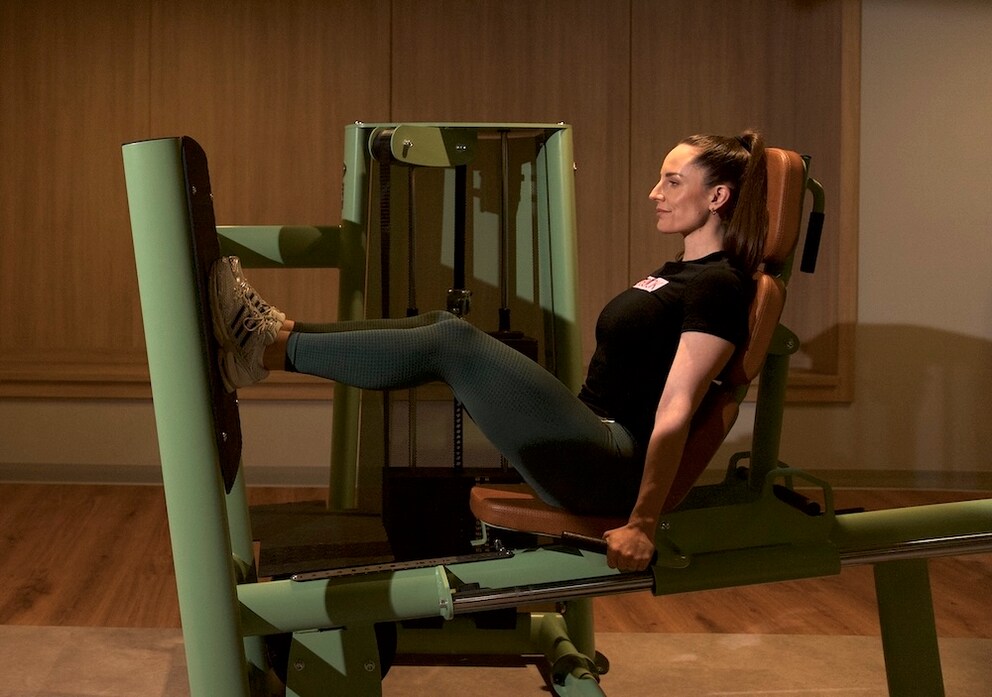
Well-developed leg and glute muscles are important to relieve the back and prevent back pain. One exercise that strengthens these muscles is the leg press.
Take a seat and place your feet about hip-width apart on the platform. The toes should point outward. Slowly extend your legs against the resistance of the machine. To protect the joints, it’s important not to fully extend the legs in the end position but to maintain a slight bend in the knees. This also keeps the tension in the leg muscles high. To create core tension, the lower back should remain firmly against the pad throughout the exercise and not lift.
Leg Extension
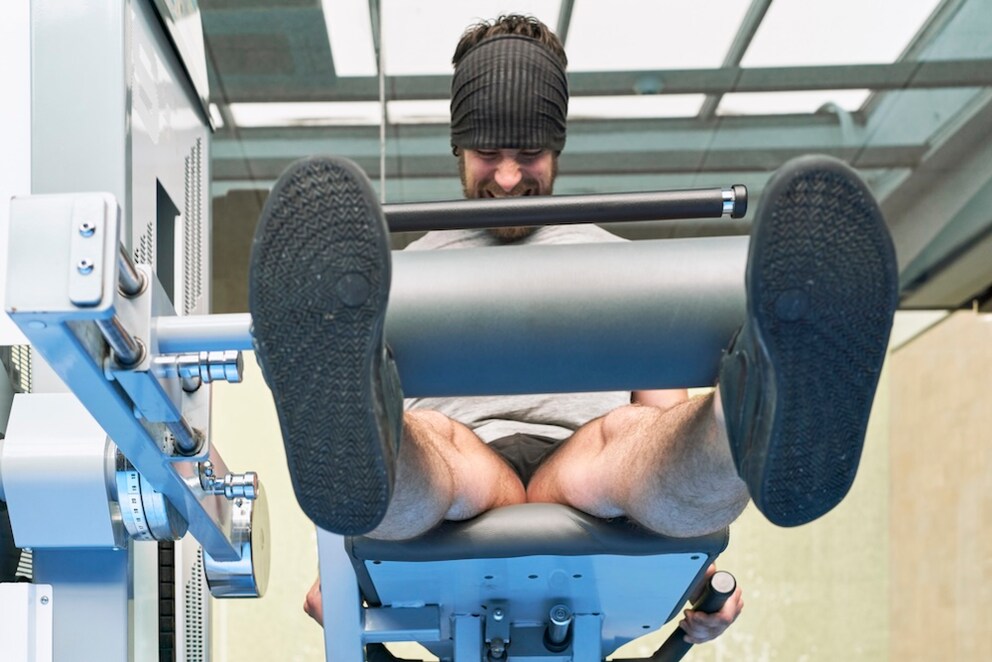
Especially when the first joint pains become noticeable, it’s important to counteract effectively. Joint pain can originate from joint wear or early-stage osteoarthritis. This means the joint cartilage gradually wears down and loses substance. To slow down and counteract joint wear, the joint must be stimulated to produce synovial fluid. This “joint lubricant” prevents further wear and effectively prevents pain. The leg extension is the ideal exercise to move the joint and strengthen the muscles around the knee joint.
The exercise is performed on the leg extension machine. Sit on the designated seat, which should be adjusted so that the pivot point is at knee level. The pad, which is pushed upward during the exercise, is located above the feet on the lower leg. Now select a weight that allows you to complete 15 to 20 repetitions. Push the pad upward by extending the legs and then slowly lower it again. To further increase the tension in the thigh muscles, you can actively pull the toes up.
Lat Pulldown on the Machine
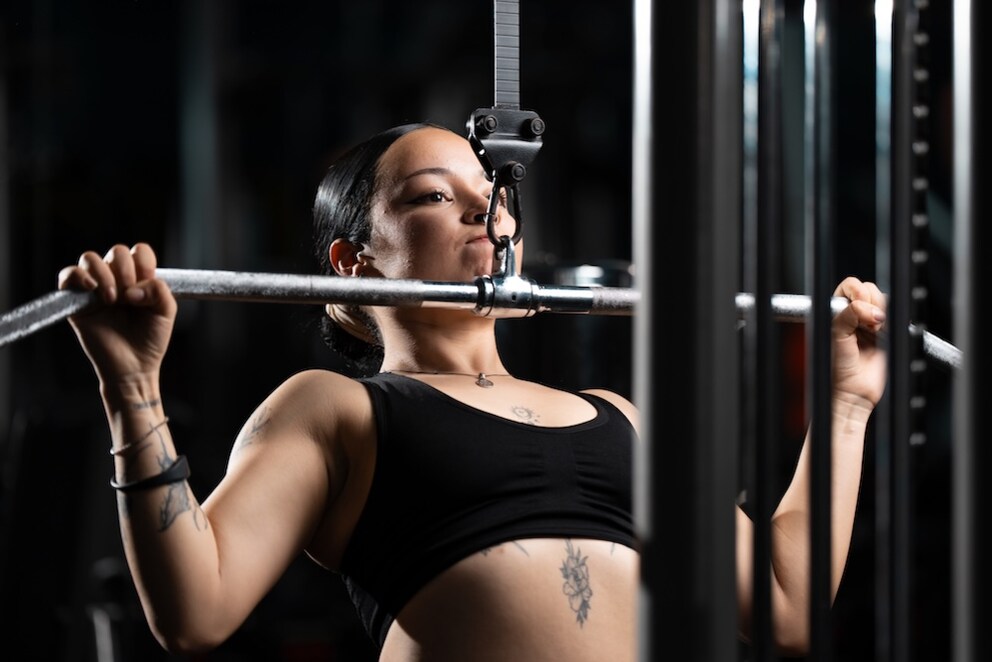
To strengthen the back muscles and improve an upright posture, which often deteriorates due to prolonged sitting at work or in daily life, the lat pulldown on the machine is a suitable exercise. Sit on the seat, grip the handles with your hands, and pull them toward your chest. During this movement, the upper body is slightly tilted backward. It’s important that the elbows remain in front of the body throughout the exercise. Additionally, perform the exercise slowly and without momentum to maintain maximum intensity and tension.
Reverse Butterfly
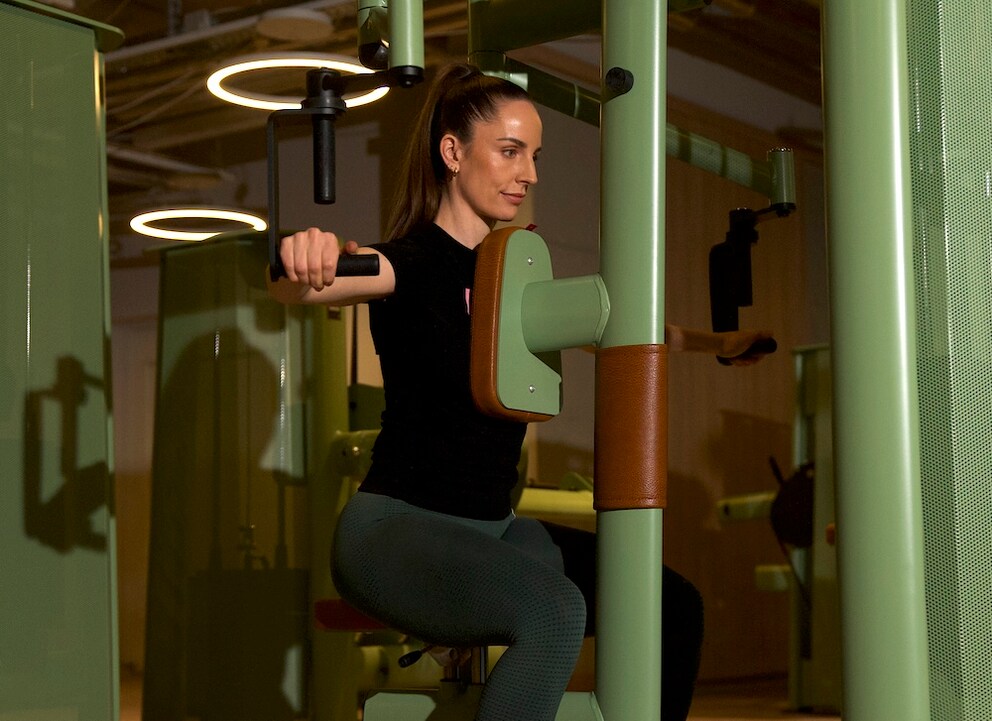
Another useful exercise for the back muscles and rear shoulders is the reverse butterfly. This exercise can be performed either on a dedicated machine or with a cable pulley. Especially men with jobs that involve a lot of sitting notice that their posture slumps, shoulder mobility decreases, and initial symptoms like shoulder and back pain may appear. The reverse butterfly is excellent for actively working on an upright posture.
If you perform the exercise on the machine, sit on the seat and lean your upper body against the pad. It’s important that the upper body remains still and does not move. Grip the handles in front of the body. The arms should be slightly bent. Then move the arms in an outward arc without changing the angle of the elbows until the hands are at shoulder height.
Plank on an Unstable Surface
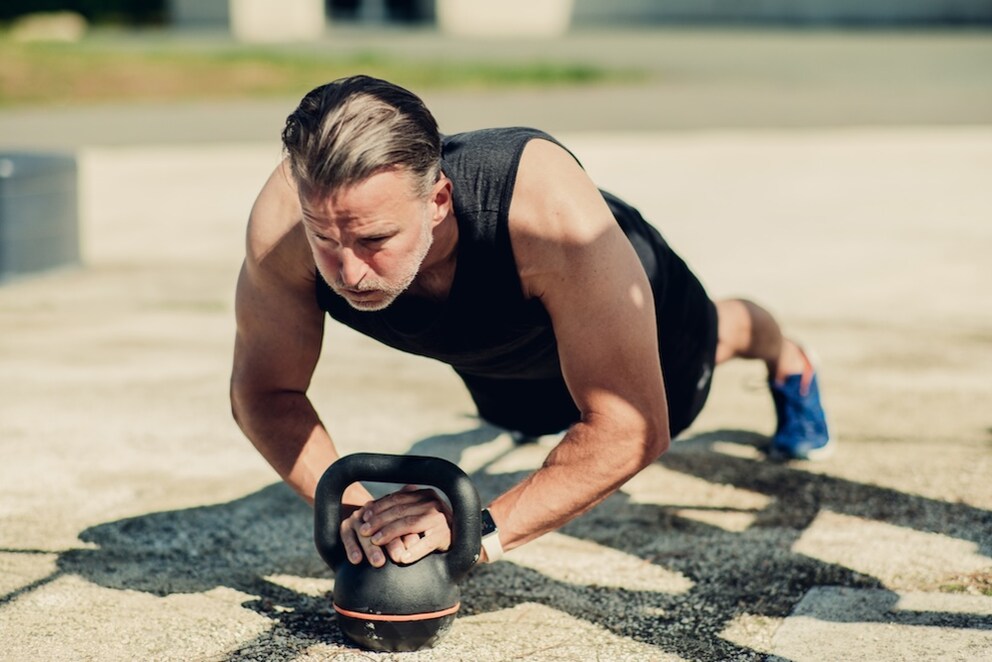
Finally, the forearm plank on an unstable surface. This exercise strengthens the deep core muscles and the rest of the abdominal muscles. The deep core muscles support a healthy posture, relieve the spine, and ensure coordination and stability throughout the body. This effectively prevents falls and injuries.
To perform the plank, you need an unstable surface in the form of a gym ball, Bosu ball, or balance pad. Place your forearms on it. Then form your body into a plank and hold the position as long as possible. It’s important that the abdomen is tightly engaged and no arch forms in the lower back. Once the back sags and the tension can no longer be maintained, you should stop.