

January 9, 2018, 1:29 pm | Read time: 2 minutes
If you feel like climbing the walls after just one cup of coffee, you’ve reached your limit. The rest can look forward to a delicious pick-me-up that packs a double punch!
A protein drink is simply part of the morning routine for many athletes. But somehow, it gets a bit monotonous since it’s always the same… Pro tip! Just add an espresso! The caffeine it contains causes our body to release adrenaline, which we perceive as a feeling of extra power or increased alertness. Keyword: power through your workout!
Also interesting: Bulletproof Coffee – what’s the deal?
It also helps against an afternoon slump because it promotes carbohydrate absorption and simultaneously boosts fat breakdown (provided you drink it unsweetened). And then there are studies suggesting health benefits of caffeine. Coffee lovers are said to suffer less frequently from heart attacks or strokes, although this connection is not definitively proven.
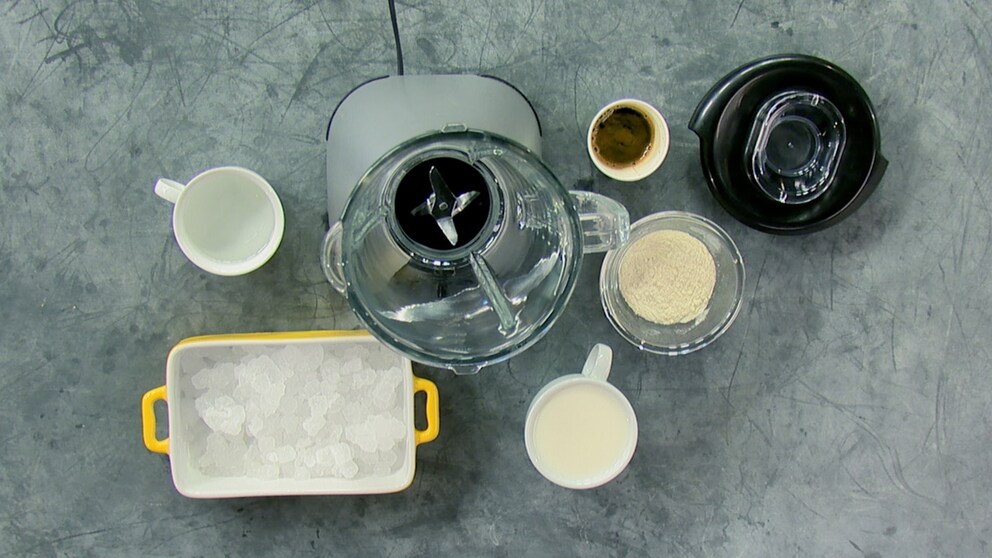
Ingredients for 2 Coffee-Protein Shakes
- 1 cup low-fat milk (200ml)
- 3 tablespoons vanilla-flavored protein powder (30g)
- 1 cup water (200ml)
- 1 double espresso
- 1 large handful of ice cubes
Preparation
Let the espresso cool and pour it into the blender with all the ingredients. It tastes best when the shake is creamy. Don’t like it cold? Then briefly heat the milk in the microwave and froth everything (espresso hot!) with a milk frother—or by hand. To adjust the sweetness, vary the milk-to-water ratio.

Drinking coffee late at night can significantly disrupt your sleep.

Ingredients and Effects of Black Tea
Nutritional Values per Coffee-Protein Shake
- 121 kcal
- 3g fat
- 6g sugar
- 15g protein
- 80mg caffeine
Also interesting: When is the right time for a protein shake?
Please do not drink more espresso than…
You shouldn’t overdo it with the black bean; the dose makes the poison. Caffeine can be addictive, and withdrawal can lead to headaches and nervousness. Guideline: The EU Food Safety Authority EFSA considers up to 400mg of caffeine per day safe for a healthy adult. This corresponds to about four strong espressos (60ml each), which—depending on strength—are said to contain 70 to 100mg of caffeine. By the way, a cup of filter coffee (200ml) contains 90mg, not much less.