



February 21, 2026, 5:17 pm | Read time: 5 minutes
During menopause, a woman’s hormone balance changes. This manifests in hot flashes, sleep disturbances, mood swings, and often weight gain. Many women are particularly bothered by changes in body composition and seek ways to lose weight. How abdominal training can support this goal during menopause is explained by trainer and FITBOOK expert Alina Bock.
Even though menopause comes with a variety of physical changes, it is by no means a reason to despair. Intensive exercises and an adjusted diet can reduce body fat and improve well-being.
What Changes Come with Menopause
During menopause, which occurs in most women between the ages of 45 and 55, the female body stops producing the hormones progesterone and estrogen. Initially, this is noticeable through irregular bleeding. Then, symptoms such as hot flashes, sweating, sleep disturbances, mood swings, general exhaustion, and dry mucous membranes may occur. Some women find these symptoms extremely unpleasant and feel significantly restricted in their quality of life during this time.
Due to hormonal changes and a slowing metabolism, the basal metabolic rate decreases, leading to an increase in body fat for many women. A low estrogen level also contributes to increased bone loss, which can lead to osteoporosis as one ages.
Also interesting: How menopause changes the vagina
Redistribution of Body Fat to the Abdominal Area
Estrogen influences where body fat is stored. With decreasing estrogen levels, body fat is no longer primarily stored in the leg and hip area but in the midsection. Fat in the abdominal area, also known as visceral fat, promotes inflammation and cardiovascular diseases.
Effective Abdominal and Core Exercises During Menopause
In general, you cannot train away belly fat with abdominal exercises alone. A dietary adjustment must also be made. It is advisable to increase protein intake and reduce carbohydrate intake. Healthy fats in the form of omega-3 fatty acids help counteract inflammatory processes in the body and boost metabolism.
Moreover, core exercises can help activate and train muscles. Increased muscle tone, in turn, boosts metabolism and subsequently the basal metabolic rate.
The following exercises can help:
Heel Taps
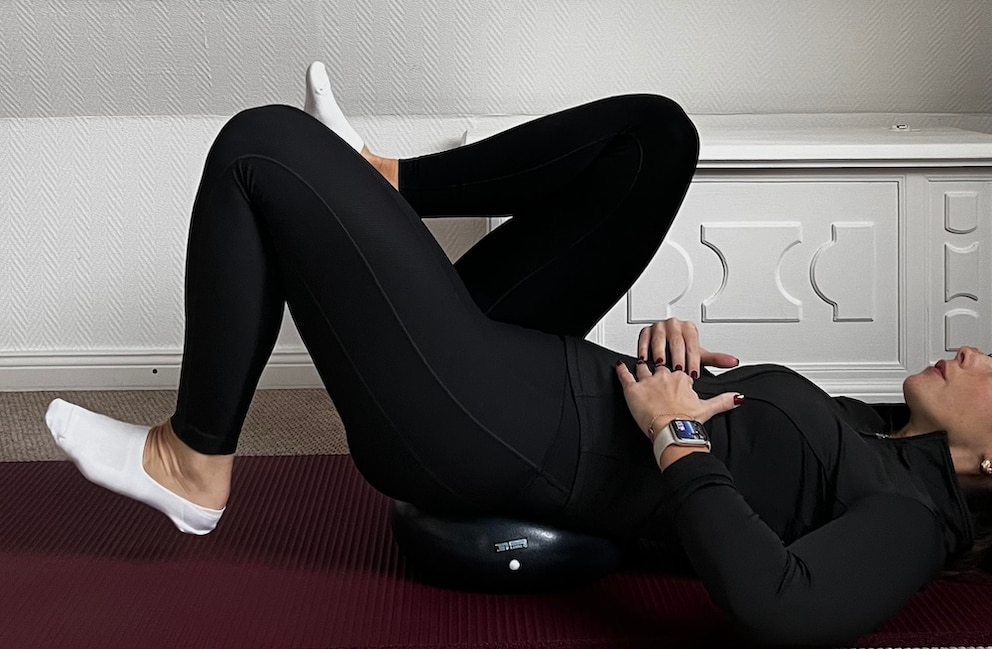
An exercise that specifically trains the lower abdominal area is heel taps. Start lying on your back on a mat. It’s important that the lower back remains firmly on the mat to maintain tension in the abdominal muscles throughout. Now lift your legs bent. The arms lie at the sides, with palms down on the floor. Now, bring the heels one after the other towards the floor. Each heel taps the floor for a brief moment. The exercise should be performed as slowly as possible. The slower the execution, the more intense the effect.
Forearm Plank

The forearm plank is not without reason one of the most well-known exercises for training the core muscles. The so-called plank trains the entire core, including the deep muscles. When performed regularly, it can promote coordination and stability of the entire body. This is especially important considering the progressive muscle and bone loss. A well-developed core can reduce the increased risk of orthopedic complaints and injuries.
For the forearm plank, place your forearms on the floor. Now, place your toes on the ground. This way, you form a kind of plank with your body. Here, pull the navel firmly inward and tilt the pelvis towards the floor. Beginners can start on their knees to get a feel for the exercise and muscle activation of the abdominal muscles.
Knee Lift
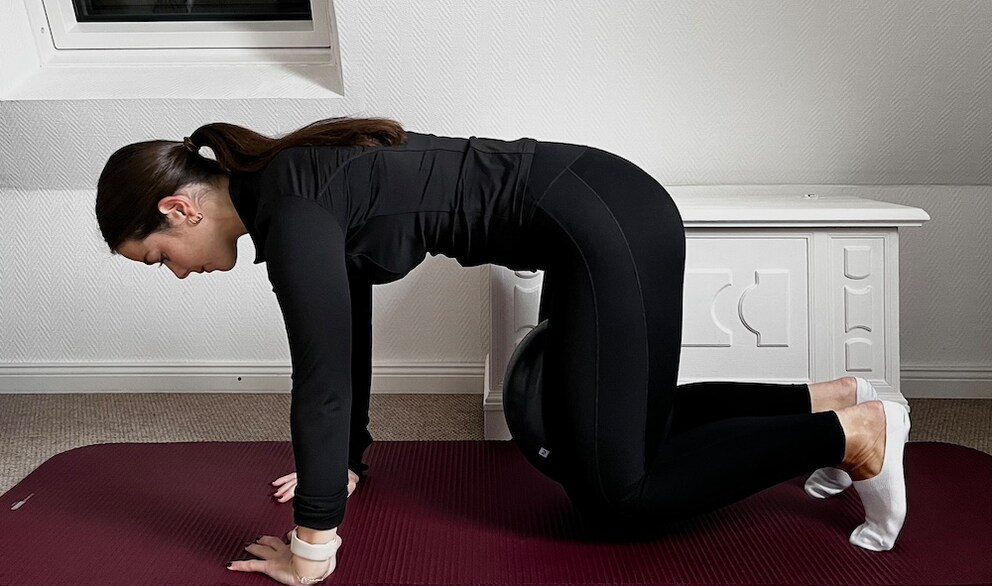
An exercise that is also performed statically and targets the deep core muscles is the knee lift. Start in a quadruped position. The knees are at a 90-degree angle. Now, tighten the abdominal muscles firmly. Lift the knees a few centimeters off the ground. Hold this position for as long as possible.
Russian Twist
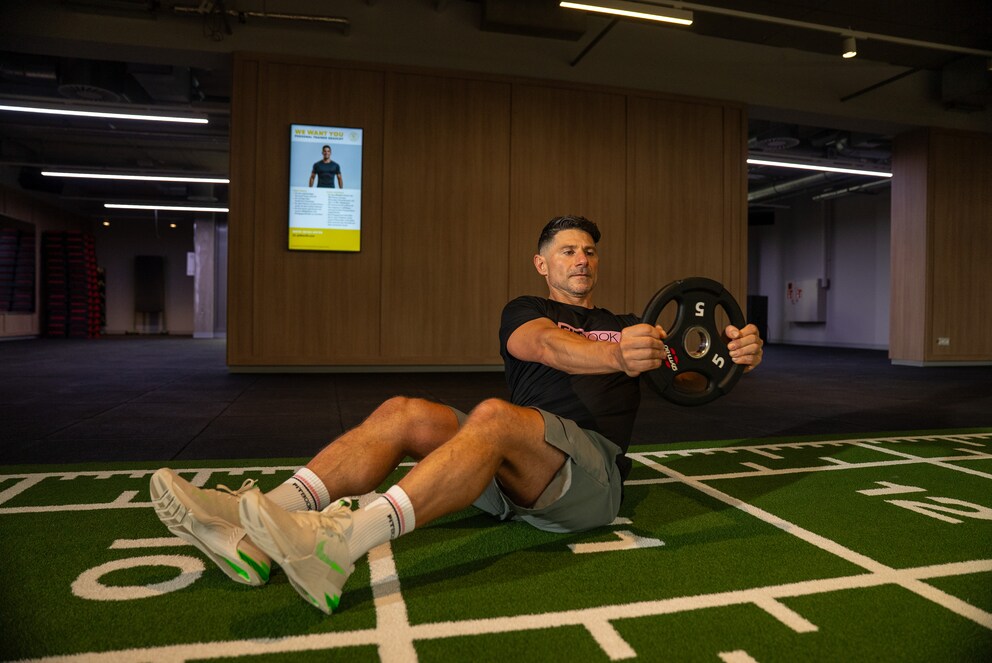
To also train the lateral abdominal muscles, the Russian twist is a suitable exercise. First, sit upright with your legs bent. Then, lean the upper body back until a noticeable tension in the abdominal muscles is felt. Now, move your hands together from one side to the other. The entire upper body rotates. To increase intensity, add a weight and rotate it. You can also lift your feet off the ground.
Mountain Climber
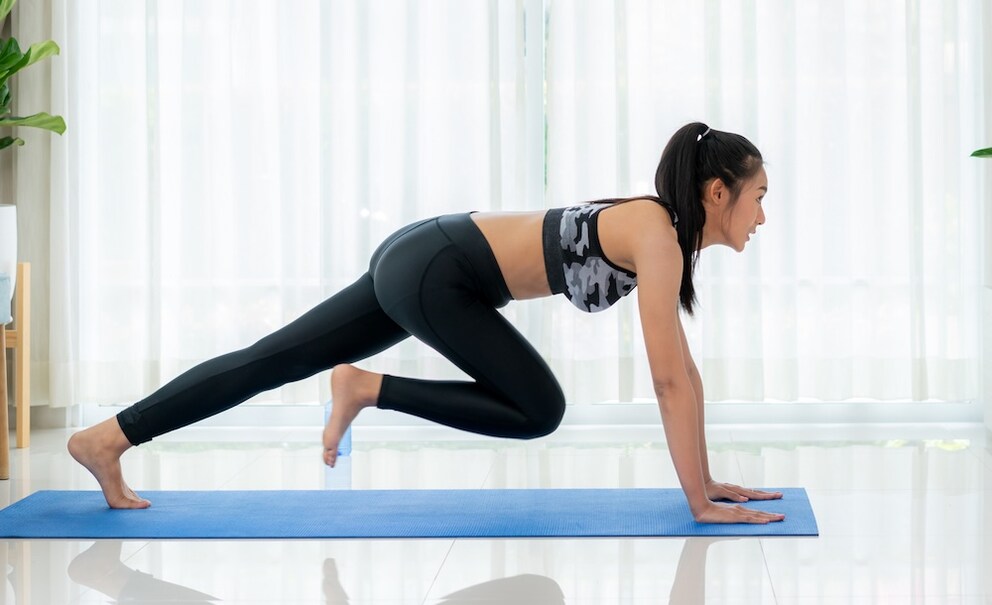
An exercise that not only effectively trains the core muscles but also stimulates fat burning is the mountain climber. For this, place your hands on the floor and your toes on the ground. Form your body into a plank. Then, pull the knees one after the other and at a fast pace towards the upper body. This exercise is best performed for 45 to 60 seconds.