


April 21, 2026, 6:03 pm | Read time: 7 minutes
Why do traditional health tips often not reach many men—and how can we still engage them on topics like gut health, preventive care, or even testicular cancer? Social media doctor Doc Felix explains in a FITBOOK interview why men need to be addressed differently than women, the role performance plays—and why a moment in the bathroom can save lives.
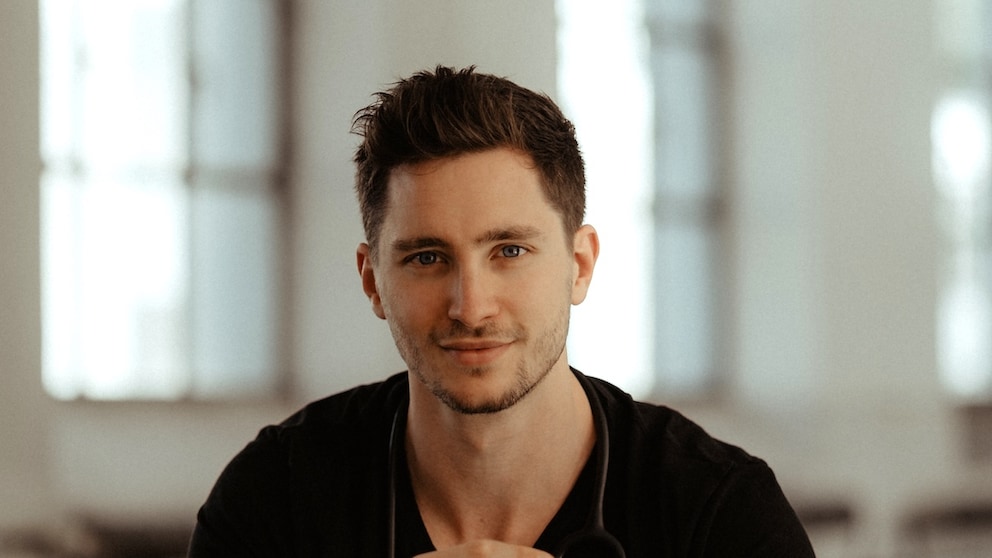
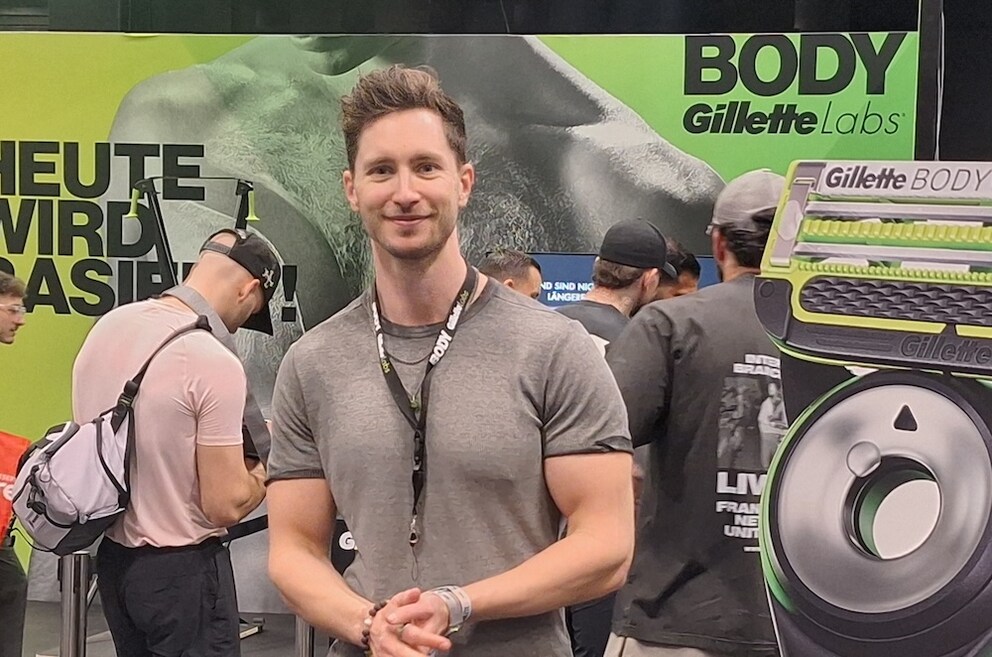
Felix M. Berndt, better known as “Doc Felix,” is one of Germany’s most well-known medical influencers. With millions of followers, he educates about health on social media—particularly aiming to better reach men. FITBOOK met the “medfluencer” at FIBO, the major fitness fair in Cologne, where he, as a GilletteLabs brand ambassador, educated about performance in everyday life and in a health context.
“My goal is to educate, especially on topics like men’s health”
FITBOOK: What motivates you, as “Doc Felix,” to speak or post about health topics on social media and at events like FIBO?
Doc Felix: “For me, the content is clearly the priority. I create content because I find topics exciting and because I want people to take something away from it. Of course, reach plays a role, but primarily, it’s about educating—especially on topics like men’s health, which often receive too little attention.”
Over two million people now follow you on Instagram alone—did you ever think your content would resonate so well with what people want to see and know?
“I still find it crazy how this has developed. Even beyond social media. For example, a few years ago, I snuck into FIBO because I didn’t have a ticket and really wanted to get in. Back then, no one knew me. And today, I’m approached by major media and am present as an athlete with partners like Gillette. It just shows how much can change over time.”
“You have to package health differently for men”
You try to bring men’s health more into focus. Are men less receptive to health topics than women?
“I believe you have to package health differently for men than for women. Men are often better reached through topics like performance, appearance, and optimization rather than fear or illness. Especially when you explain that health topics play a role for hormones in general and specifically for testosterone, they pay attention. Many men also have a certain reluctance to go to the doctor—especially for intimate issues. Women are more routine about it, for example, regularly visiting the gynecologist. I try to integrate health into everyday situations, like cooking or in the bathroom. People are more relaxed and open to content there.”
Intimate Shaving, Testicular Cancer, and Early Detection
An everyday situation is intimate shaving for men? You address this topic as well…
“Especially with topics like intimate shaving, I see an opportunity to make men aware of their health. When you’re already dealing with your body, changes are more noticeable. Such as those that could indicate testicular cancer. This disease also affects young, athletic men. Testicular cancer is a cancer that is very treatable if detected early. I want to raise awareness for this. I know cases where someone was informed through a video and noticed a change. As a result, they went to the doctor in time.”
“The Gut Is a Muscular Tube”
A major health topic is gut health. How do men view this topic?
“I notice that women are more interested in it. But it also affects men. I believe you have to address men more directly on the topic of gut health. You shouldn’t be too abstract, but clearly state what they gain: better recovery, more performance, and less frequent illness. The gut is ultimately a muscular tube—and the topic of muscle is something many men can relate to.”
Do you have a few practical tips for a healthy gut?
“I always try not to think in terms of deprivation. Most people immediately wonder what they can no longer eat. I turn it around and ask: What does your body actually need to function optimally? For the gut, that’s fiber, exercise, and a diet that supports gut bacteria. Some people benefit from intermittent fasting, such as those with Crohn’s disease. But you can also optimize your daily bathroom routine by placing your feet on a stool to change your angle.”
Not Just Avoiding Illness, but Becoming More Capable
What about topics like high blood pressure, which pose long-term risks? Do you try to educate about that, and if so, how?
“My approach is not to talk about diseases but about health. I want to break the notion that health only means not being sick. It’s about feeling better, being more capable, and realizing your potential. A doctor in a practice tries to bring someone from negative to zero. I try to get someone into the positive. In other words, it’s not just about not getting sick, but about becoming more capable. I think in terms of performance: How can you become fitter and optimize yourself, rather than just avoiding problems? On the topic of high blood pressure, for example, I would say: High blood pressure is a ‘silent killer,’ but I frame it more as: How can you feel better overall?”
Is it also about educating and inspiring through good examples?
“People rarely change their behavior because of a doctor’s visit. Often, it’s an emotional trigger—a breakup, a role model, a movie. That’s why we need to reach them where they are, such as through social media, fitness events, or brands and platforms they already consume.”

“Menopause Costs the German Economy Billions Each Year”

Food Influencer Swears by Eggs and Air Fryer
“Start Early to Take Good Care of Yourself”
Women are increasingly trying to educate themselves early about menopause. Would it be wise for men to think similarly about aging?
“For men, many physical changes happen gradually. Muscle mass and performance decrease over the years, but not abruptly, rather continuously. I find it difficult to determine when you need to change your lifestyle because that’s the wrong approach. There’s no point where everything suddenly shifts. Everything you do affects you over the years—positively and negatively. That’s why you shouldn’t only react when problems arise, but start early to take good care of yourself. You should always be doing something.”
“I Used to Hate Sports”
If we move away from men’s health for a moment, what content works well with your entire audience?
“I find it fascinating which topics work particularly well on social media. Content like ‘Medicine is in the food’ goes extremely viral. The connection between body and mind also interests many people. And what surprised me: When you ask the community directly, many open up and share their concerns publicly. Personal stories also always work particularly well. When I share how I used to be and how my path has developed, many people can identify with it. Especially because I wasn’t the type who was always athletic. I used to hate sports.”
Now you seem athletic. Has that changed?
“I still have to motivate myself to exercise. Endurance training, in particular, is difficult for me. This image of the ‘runner’s high’ doesn’t apply to everyone. Most people know the inner resistance. I do too. That’s why I consciously reward myself afterward—so my body learns: This is good for me.”