


May 26, 2026, 8:39 am | Read time: 5 minutes
With the onset of menopause, everything seems to go haywire. The physical chaos begins. Exercise, especially strength training, is supposed to help. And, of course, an adjusted diet. But what exactly should this look like? Do women in this phase of life need to completely overhaul their lifestyle? Certified Health & Life Coach Adaeze Wolf wants to ease the pressure. In a FITBOOK interview, she explains that even small adjustments can make a big difference.
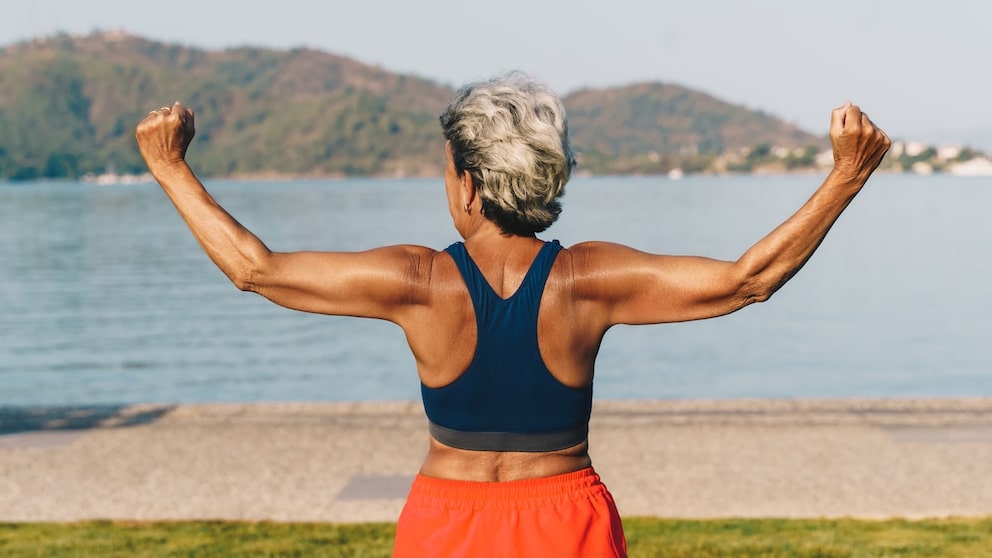
Fat deposits stubbornly settle on the hips and belly, and strength diminishes. As we age, maintaining muscle mass is not only important for appearance. It decreases with age and more rapidly with the onset of menopause than in younger years. It’s crucial to counteract this for health reasons. One way is through diet, specifically: proteins.
“Proteins Are Important for Muscles”
FITBOOK: As we age, and especially with the onset of menopause, it becomes extremely important to maintain or even build muscle. What dietary tips do you have for women in this regard? Surely protein plays a role …
Adaeze Wolf: “I advise cutting back on carbohydrates, even the complex, good ones, and increasing proteins. Carbohydrates now accumulate faster than before, and proteins are important for muscles. You don’t have to give up nutrient-building blocks. It’s about smart combinations and shifting focus. Proteins are always important, but they become essential in this phase of life. They help protect against muscle loss, which progresses with age. Proteins also stabilize blood sugar and keep you full longer. They provide internal stability and help avoid cravings. Proteins are also important for our hormone metabolism and support estrogen breakdown.”
Can you explain that in more detail?
“When we start entering menopause, there’s initially an imbalance between progesterone and estrogen. Specifically, progesterone decreases faster, and we often have estrogen dominance. We notice this, among other things, by gaining weight more quickly, with fat particularly storing on the belly and hips, or feeling bloated. Proteins help support hormone metabolism, especially at the beginning of menopause, as the liver needs certain amino acids to better break down and excrete excess estrogen.”

“Intermittent Fasting Is Not a Good Idea for Losing Menopause Belly”

How Women Can Prepare for Menopause
“Start the Day with 30 Grams of Protein”
So, should women now focus on proteins in their diet?
“I recommend changing the nutrient distribution a bit: First proteins, then fats, and finally complex carbohydrates—ideally always combined with fiber-rich foods like vegetables, berries, legumes, or oats to keep blood sugar stable and improve satiety. It’s important to include proteins with every meal. I’m a fan of saying that it’s best to start the day with 30 grams of protein in the morning. Women don’t need to worry about only drinking shakes. You can incorporate this well into your diet with different foods. Examples of good combinations would be skyr with nuts, berries, and some oats. Two eggs already have about 14 to 16 grams of protein. Scrambled eggs are suitable in the morning, perhaps with herbs. Legumes work, such as savory spreads made from chickpeas or lentils. There are really delicious protein sources, even from the plant-based sector.”
When comparing plant-based with animal protein, which do you think is better?
“Plant-based protein is quickly digestible. From the perspective of biological value and bioavailability, it makes sense to combine—that is, plant-based with animal proteins. Eggs have a 100 percent value, so you can reach for them more often. But in general, I think it’s important to keep the proportion of plant-based foods high in the diet, including protein. I therefore advocate a mix.”
Increase Protein Content Meal by Meal
How do you proceed if a client doesn’t know how to start increasing the protein content of her diet? What do you advise her?
“I start by finding out what the person likes to eat. Then I look at how we can add proteins to that. Take the example of a salad bar—whether in a supermarket or a cafeteria. We all know that greens, like salad, are healthy. But we also need proteins. Often, there’s already a good selection like fresh green beans, peas, and kidney beans—you should feel free to grab those. Then you can often add an egg, maybe a bit of chicken or a salmon fillet. This turns the classic salad into a meal with protein power. Another example is the popular porridge for breakfast or muesli. It’s important to look at what it’s made of. Oats with banana and oat milk would be generally healthy. But with the onset of menopause, that’s too many carbohydrates. Here, you might consider swapping components, like replacing oats with millet. Or add Skyr and just a little oats. And so you check each meal and optimize with a view to more proteins and fewer carbohydrates. It’s about creating awareness without stress.”
About the Person
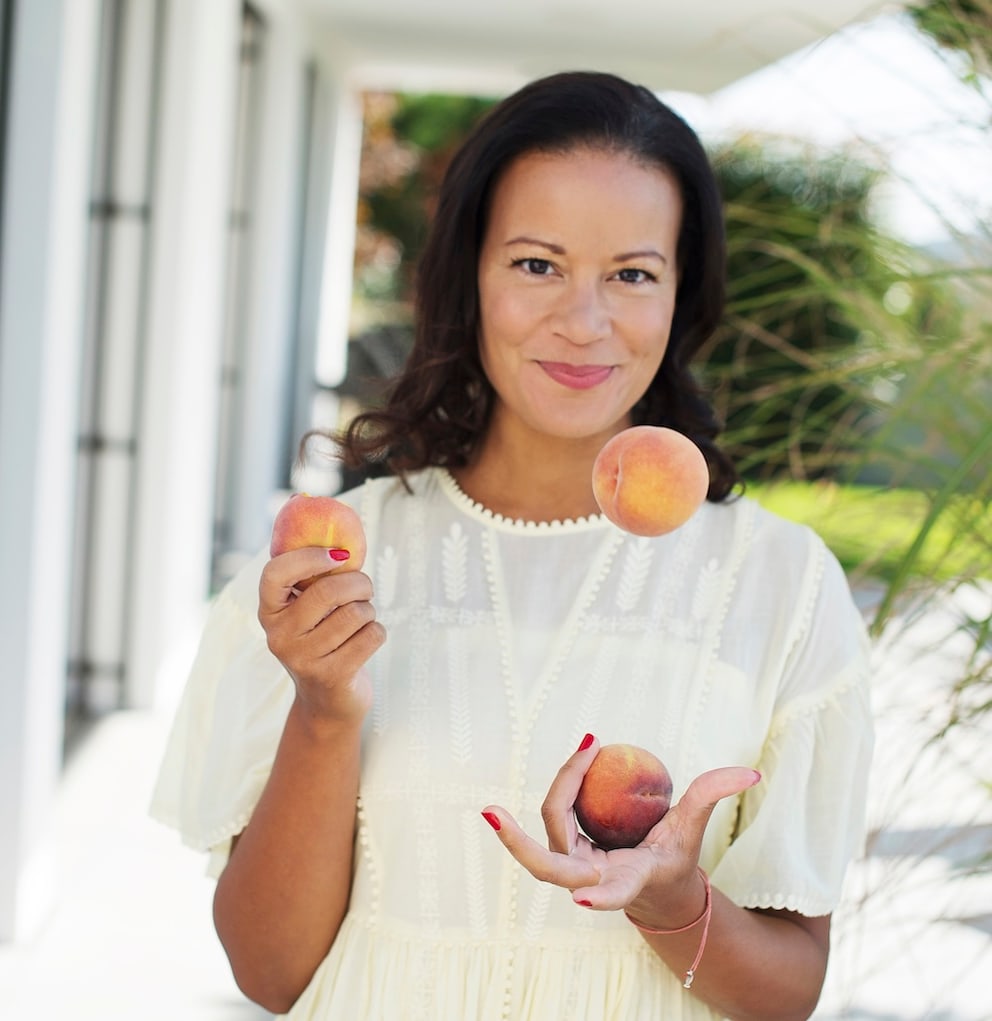
Adaeze Wolf is an expert in holistic women’s health, author, podcaster, and speaker. As a holistic nutritionist and certified Health & Life Coach, she supports women over 40 who want to overcome hormone chaos, exhaustion, and unexplained weight gain.