


March 18, 2026, 3:13 pm | Read time: 5 minutes
Not only what we eat but also when we eat can affect our health. Chronobiologist Satchin Panda from the Salk Institute in California has been researching for years how meal times are linked to metabolism, sleep, and the internal clock. His studies have made the concept of intermittent fasting known worldwide. In an interview for FITBOOK, Panda explained to me which eating window he considers most beneficial for the body, why late meals can be problematic, and the role fixed rhythms play in metabolism and the gut.
FITBOOK: You have extensively researched the timing of food intake. The 16:8 intermittent fasting method is also based on your work. However, in 2024, a major study caused a stir by linking daily fasting of eight hours or less to an increased risk of heart disease.
Satchin Panda: “We wrote a letter to the authors of the study. In it, we explain why this study is, in our view, a textbook example of what can go wrong when using epidemiological data for such predictions. The study is essentially based on questionnaires and the participants’ memories. It’s like asking someone: What did you eat last night? And then trying to predict whether this person will die in 16 years based on that one answer.”
You have never presented the 16:8 intermittent fasting as the only or best form. In our last conversation, you recommended a 12 to 14-hour eating pause. Have your views changed due to new research findings?
“We have now published several studies showing that an eating window of about eight to ten hours, followed by a longer fasting phase, seems to be overall more beneficial for health. In some cases, we observe weight loss, in others improvements in blood sugar, cholesterol, or blood pressure. Another study we conducted also delivered an unexpected but pleasing result related to post-COVID syndrome.”
Intermittent Fasting for Post-COVID
… which, according to WHO estimates, affects six percent of people who had COVID.
“A common symptom is that the heart rate increases dramatically when patients move from sitting to standing. The pulse rises so sharply that many people become unable to work. In medical terms, this is called postural tachycardia syndrome, or POTS.”
And can intermittent fasting help here?
“Although the study involved only a small group of 20 patients, we were surprised to see a significant effect. A rhythm of ten hours of eating and 14 hours of fasting led to nearly half of the participants being considered cured. After the intervention, they no longer met the medical criteria for POTS and no longer needed to take medications that had many side effects.”
How do you explain the effect of intermittent fasting in this context?
“Limiting food intake time can influence the autonomic nervous system so that blood pressure regulation functions much better.”

Chronobiologist Satchin Panda: “Why So Many Struggle With Sleep Problems”

World’s Leading Chronobiologist: “These Are the Effects of Daylight Saving Time”
Why We Shouldn’t Eat Too Late
You recommend that there should be at least two hours or even more between eating and going to bed. What happens to the metabolism if we don’t adhere to this?
“When people eat late, blood sugar levels can remain elevated for a long time because insulin production is less effective at night. Additionally, digestion slows down. This can go so far that upon waking, the food from the previous evening is not yet fully digested.”
Research increasingly shows that the gut microbiome has a significant impact on health. Do these bacteria follow their own circadian rhythm?
“In a study with mice, we found that the gut microbiome tends to follow the host’s rhythm. Meal times apparently strongly influence both the composition of the microbiome and gene expression. Therefore, limiting food intake time indirectly creates stable rhythms.”
Satchin Panda on the Gut Microbiome: “There Are Day and Night Bacteria”
Healthier meal times with sufficiently long fasting breaks also seem to benefit the gut.
“We have found that there are day and night bacteria. Without sufficient meal breaks, both variants exist around the clock side by side. However, if we eat in a clear rhythm, we promote a kind of healthy division of labor. The bacteria then interfere less with each other and can better fulfill their respective tasks.”
Is there an ideal time to consume carbohydrates, proteins, and fats?
“Unfortunately, there are no systematic studies on this. But there are retrospective studies. A Japanese study showed, for example, that women who eat more protein in the morning live longer. On the other hand, consuming a lot of protein in the evening can promote heartburn because protein stimulates acid production in the stomach. The more protein, the more acid. Late eating often leads to digestive problems.”
About the Person
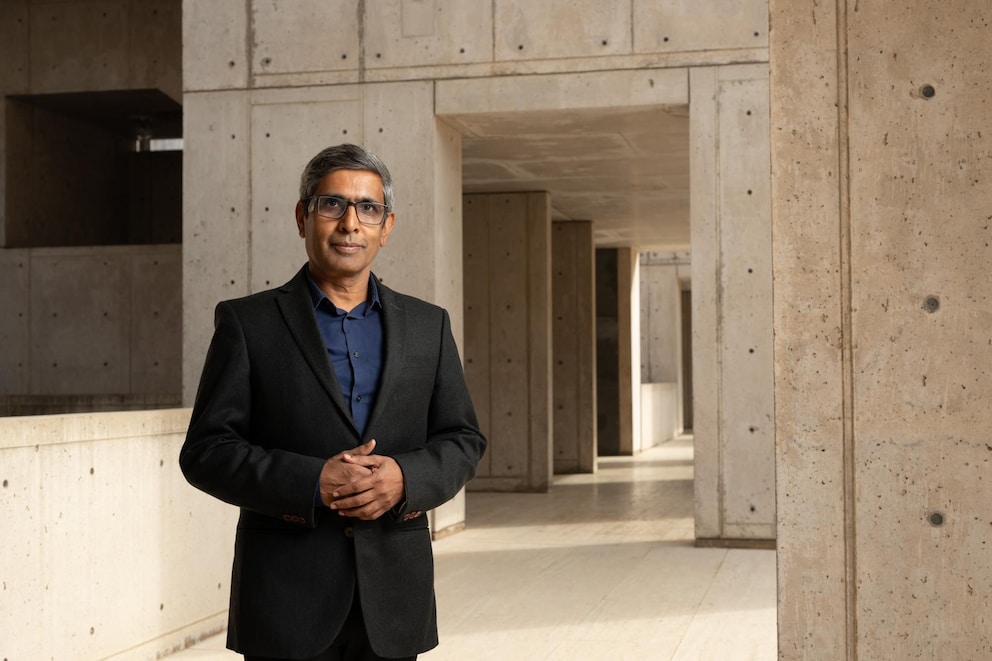
Satchin Panda is a professor at the Salk Institute in California and one of the world’s leading chronobiologists. He researches how the internal clock affects metabolism and sleep and the role intermittent fasting plays in the human body. Panda is also the author of several books, including “The Circadian Code: Get a Good Night’s Sleep, Lose Weight, and Be Healthy”.