


October 1, 2025, 8:45 am | Read time: 5 minutes
During menopause, the female body undergoes many significant changes: hormone levels drop, metabolism slows, and muscle mass decreases. All of this affects the vitality of the entire body. Strength training can not only alleviate and delay typical symptoms resulting from menopause but also prevent them. “And the best part is: It’s never too late to start strength training to benefit physically, mentally, and emotionally,” encourages our expert, Prof. Dr. Hartmut Göbel, chief physician at the Pain Clinic Kiel.
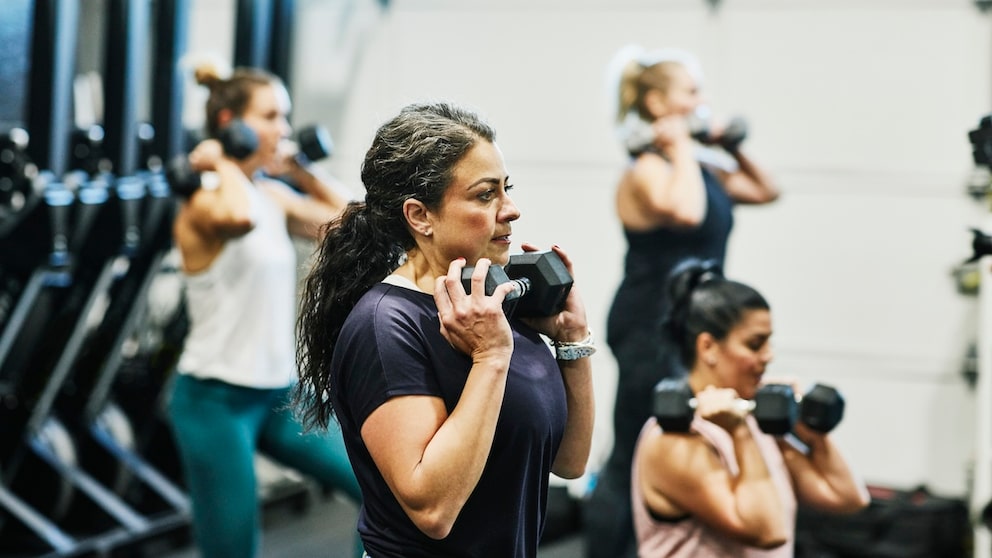
Strength training involves targeted exercises that strengthen muscles by working against resistance. This can be your own body weight, such as with push-ups and squats, or weights and dumbbells. The goal is to build muscle mass, maintain it, and simultaneously stabilize bones, joints, and ligaments. Contrary to what many think, strength training does not necessarily mean bodybuilding. It’s more about functional strength that makes everyday life easier, healthier, and more comfortable.
What Does Estrogen Have to Do With Your Strength Training?
“During menopause, estrogen levels drop significantly. This most important female sex hormone protects your bones, heart, and blood vessels. With declining estrogen, the risk of osteoporosis, cardiovascular diseases, weight gain, and muscle loss increases,” summarizes Prof. Dr. Göbel. “And this is exactly where targeted strength training comes in.”
Why Strength Training Is Important During Menopause
Strong Bones
When estrogen levels drop, the body gradually loses bone density, increasing the risk of osteoporosis and fractures. Especially during this phase, targeted weight training can make a big difference, as the load activates bone metabolism, strengthens stability, and counteracts degradation. Just two sessions per week are enough to achieve noticeable long-term differences and sustainably protect the bones.
Tip: Avoid smoking, as nicotine inhibits estrogen production and doubles the risk of developing osteoporosis.
Maintaining Muscle Mass
During menopause, accelerated muscle loss often begins. Strength training counteracts this by stimulating the muscles and thus promoting muscle growth. This ensures that you remain active and mobile for longer.
Cardiovascular Health and Protection Against Diabetes
After menopause, the risk of high blood pressure and diabetes increases significantly, as hormonal changes strain metabolism and vascular health. Regular strength training specifically counteracts this by improving blood sugar regulation, strengthening blood vessels, and naturally lowering blood pressure. This relieves your heart and lays the foundation for a strong, resilient cardiovascular system.
Stable Metabolism
More muscles automatically mean higher energy consumption, even at rest. This makes it much easier to avoid the weight gain that many women struggle with after menopause. At the same time, nutrient utilization improves, so your body works more efficiently, and you feel more vital overall.
Back and Knee Health
Strong muscles relieve your joints and spine. As a result, back or knee pain often decreases, and overall posture improves.
Protection Against Frailty
Strength training helps you maintain your muscle strength, balance, and responsiveness. This is crucial to prevent falls and remain mobile even in old age.
Cognitive Health
“Regular training improves blood circulation in your brain and stimulates growth factors for nerve cells. This strengthens your concentration and attention and even reduces the risk of dementia in the long term,” says Prof. Dr. Göbel.
Inner Balance
Strength training can support your inner balance, as hot flashes and mood swings can be significantly alleviated through regular exercise. At the same time, your sleep rhythm stabilizes, allowing you to go through the day more rested and balanced.
More Energy in Everyday Life
With each workout, your muscles become more enduring, and you tire less quickly. This gives you more strength and energy for your daily life with family, work, and hobbies.
Mental Strength
During training, your body releases endorphins that reduce stress, lift your mood, and give you more calmness in everyday life.
Social Contacts
When you train in classes, go to the gym, or meet with a workout partner, exercise becomes much more enjoyable. Regular appointments also motivate you to stick with it and establish sports as a regular routine in your daily life. At the same time, you are among people with whom you can exchange ideas and maintain beneficial social contacts.
Self-Confidence
As soon as you feel your strength increasing, you feel more confident and discover a new, positive body feeling. You also project this inner strength outward, whether through your posture, energy, or demeanor.
Also interesting: Rebecca Barthel: “This is the Training Women Should Focus on During Menopause”

At Home Instead of the Gym! Training Tips for Menopause

Preventing Bone Loss: The Right Training for Menopause
What Strength Training Is Ideal After Menopause?
Functional exercises that engage multiple muscle groups simultaneously are particularly suitable. For beginners, guided machines in the gym are recommended as they prevent incorrect postures. Advanced individuals can work with free weights or their own body weight.
Three Perfect Exercises for Home Without Equipment
Plank (Forearm Support)

In a plank, you support yourself on your forearms and toes, keeping your body in a straight line while tensing your abs, back, and glutes. In addition to strengthening your muscles and building endurance, planks also help promote your body’s flexibility. In the plank position, shoulders, shoulder blades, back, and legs are gently stretched. This improves your mobility and simultaneously reduces the risk of injury.
Squats
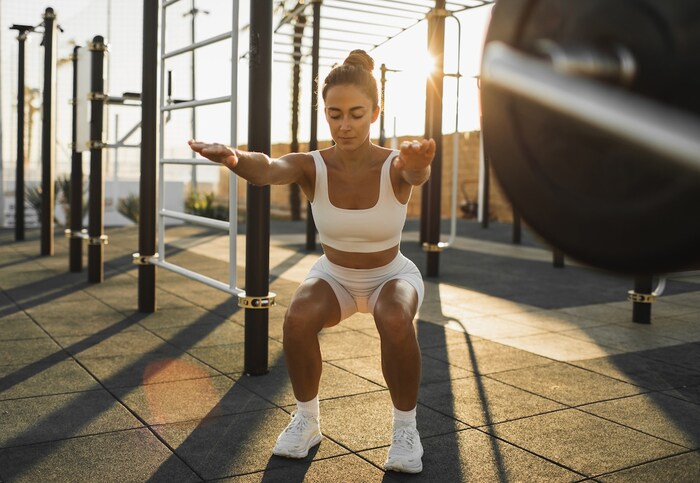
Place your feet shoulder-width apart, bend your knees, and push your hips back as if you were sitting on a chair. Please only perform if you have no knee problems.
Push-Ups
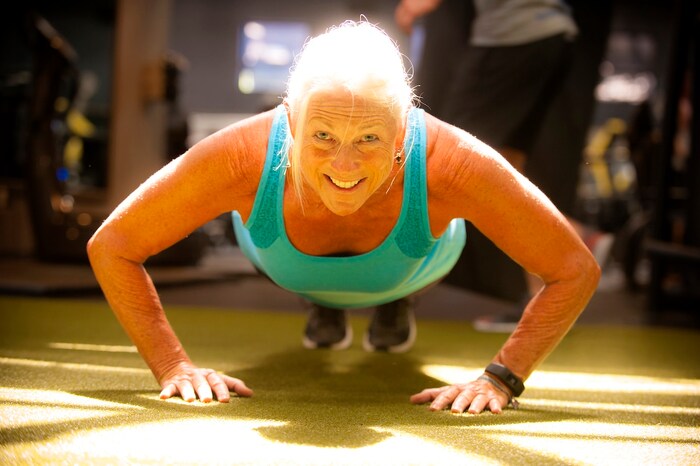
In a push-up, you support yourself on your hands and toes, lower your body in a controlled manner, and then push it back up using the strength of your chest, arms, and core. Whether performed against a wall or on your knees, push-ups strengthen your chest, arms, and core.